Electric Oven Troubleshooting Tips from London’s Top Repair Specialists
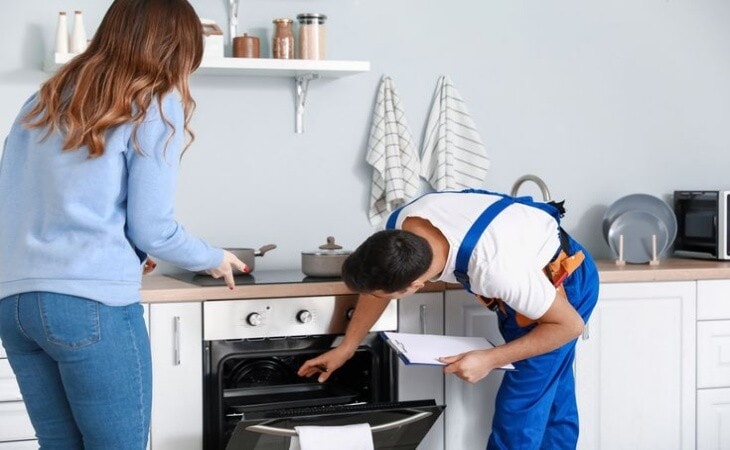
Diagnose Before You Dial: Know the Signs
When your appliance starts acting up, it doesn’t always mean a major repair is needed. With these electric oven troubleshooting tips from London’s top repair specialists, you can quickly identify common problems and know when to call in an expert.Oven Not Heating Properly?
- Check that the oven is securely plugged in
- Test another appliance in the same socket
- Verify your breaker hasn’t tripped
- Make sure your clock/timer isn’t delaying start
Uneven Cooking? Here’s Why
Foods burning on one side or undercooked in the center? A faulty fan motor or damaged element could be the cause. Also check for blocked vents or overcrowded trays that restrict air circulation.Control Panel or Display Not Working
- Reset the oven by unplugging for 5 minutes
- Check the control lock feature (often activated by accident)
- Look for any error codes and reference your oven manual
Strange Smells or Smoke?
Lingering food debris, grease buildup, or even trapped packaging can produce smells or light smoke. If the smell resembles burning wires or plastic, turn off the appliance and contact a professional immediately.Door Won’t Close or Seal
Check for misaligned hinges or bent racks that could be preventing closure. Worn gaskets and seals are another common cause—and easy for a technician to replace.Basic Troubleshooting Table
| Issue | What to Check | Next Step |
|---|---|---|
| Oven cold | Plug, breaker, display | Book an inspection if reset fails |
| Uneven heat | Fan noise, element condition | Replace fan or heating element |
| Burning smell | Check for residue or packaging | Clean or call if smell persists |
When DIY Isn’t Enough
Some signs—like electrical buzzing, repeated fuse trips, or an unresponsive oven—require professional attention. London’s leading oven specialists can run diagnostics and access spare parts fast, avoiding delays.Top Tools Every Home Cook Should Own
- Oven thermometer
- Non-abrasive cleaner and sponge
- Multimeter (for the tech-savvy)
- Silicone door seal replacements
Safe Cleaning = Better Performance
Always unplug the oven before deep cleaning. Avoid harsh chemical sprays. Instead, use baking soda and vinegar paste, steam cleaning, or a mild citrus-based product. Clean fans, vents, and racks monthly for peak airflow.Local Experts Are Just a Click Away
Oven problems can escalate quickly if ignored. But with proper troubleshooting and timely service, most issues are easy to resolve. London’s top specialists offer fast response, brand expertise, and advice tailored to your kitchen setup.Should You Reset Your Oven?
Many modern ovens have a reset function. Try unplugging the unit for 3–5 minutes to allow internal systems to recalibrate. This can fix minor glitches, especially after a power surge or firmware update. But if the issue persists, call a technician.Why Ovens Overheat
If your oven is getting hotter than the set temperature, it could be a faulty thermostat, temperature sensor, or a stuck relay. Overheating not only ruins meals but also poses a safety risk. Get it checked before it causes damage to internal parts.How Long Should It Take to Preheat?
Typically, a functioning oven should reach 180°C within 10–15 minutes. If it takes longer, it may signal a weak element or a failing temperature sensor. Use a basic oven thermometer to test real temperature versus the display setting.When to Replace Instead of Repair
While most oven issues are fixable, repeated breakdowns, constant overheating, or parts no longer available can signal it’s time for a new unit. If your oven is over 12 years old and repairs are becoming frequent, consult a technician for an honest recommendation. A one-time upgrade may save you more than multiple short-term fixes.Top Causes of Repeated Oven Failure
- Skipping regular cleaning
- Ignoring error codes
- Using incorrect cookware sizes
- Not replacing worn seals and gaskets